
Stop document fraud before a bad loan gets approved
Altered documents, AI-generated fakes, and recycled templates are already in underwriting queues. Inscribe detects them in seconds with clear, explainable findings that fit seamlessly into your workflow. Here's what your team is up against.
1 in 16
1 in 16 documents submitted in financial services show signs of manipulation or fabrication.

5x
AI-generated document fraud increased 5x from last year, and growth has continued into 2026, reaching new all-time highs.

3x
Template-based fraud has grown 3x, with fraudsters reusing the same document structures across hundreds of applications.
Why teams use Inscribe for underwriting
Inscribe gives underwriting teams the detection depth, decision speed, and flexibility to stop fraud without slowing down good applicants.


Catch fraud before it becomes a credit loss
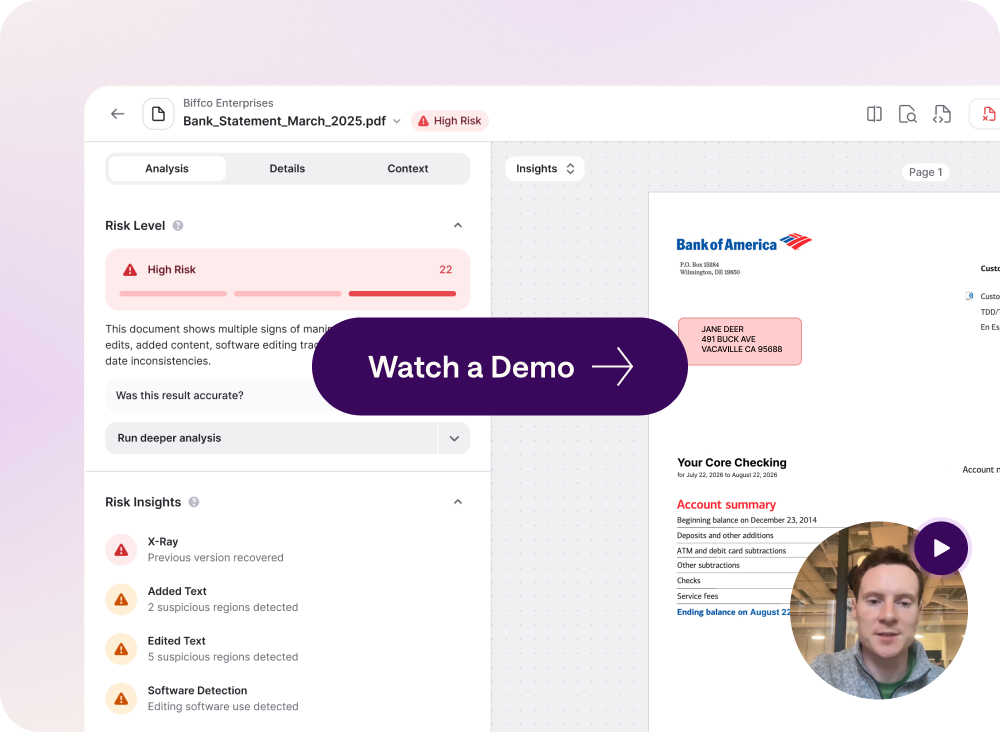
Fraudulent documents look more convincing than ever. Layered forensic, semantic, perceptual, and network analysis uncovers manipulated financial documents before a loan is approved.
Make faster decisions your team can stand behind
Slow review queues cost you good applicants. Inscribe surfaces clear risk levels, supporting evidence, and the insights that matter most so your team can make confident decisions.
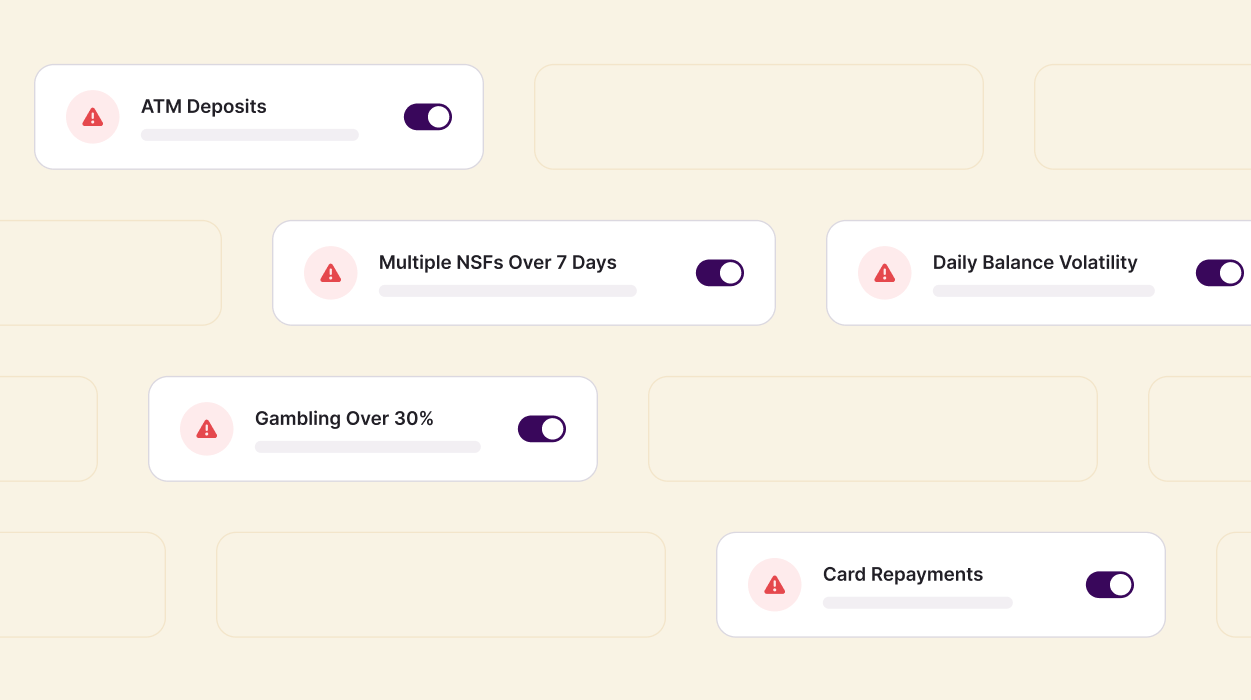
Configured to flag what your SOPs call for
Every team defines risk differently. Configure checks around your fraud signals, document policies, and risk thresholds so Inscribe fits your underwriting workflow.

30 minute
$300k
Inscribe has become a key component in our fraud ecosystem. It’s highly effective at identifying fraudulent documents and it gives us a high level of confidence that fraud isn’t going to happen. The cost-benefit is clear.


Every document type your team reviews, covered
Inscribe's detectors are purpose-built for the financial documents underwriting teams review every day, not adapted from generic document AI.

Take an interactive product tour

Watch a recorded demo
The impact of missed fraud
Fraudulent documents don't just create losses — they fund organized fraud rings and, in some cases, far more serious crimes. AI is making these operations faster and harder to stop.
Our 2026 report covers the latest trends, the impact behind document fraud, and how fraud fighters are staying ahead.
Want to see what’s hiding in your applicant documents?
Book a demo and we'll share more about our complimentary document fraud audit.

FAQs

Document fraud detection helps lenders identify manipulated, fabricated, or AI-generated financial documents before making lending decisions.
Bank statements, pay stubs, tax returns, financial statements, invoices, credit card statements, business filings, and many other financial documents.
By identifying fraudulent documents early, underwriters can reduce credit losses, speed up reviews, and make more confident lending decisions.
Yes. Inscribe detects evidence that documents have been generated or manipulated using AI alongside many other fraud indicators.
Yes. Teams can configure institution-specific document checks, transaction rules, and risk thresholds using Inscribe's Decision Engine.
Yes. Clear risk levels, explainable findings, and prioritized fraud signals help underwriters review applications more efficiently.
Multiple detection layers work together to provide more accurate fraud assessments, reducing unnecessary manual reviews.
Yes. Inscribe supports both consumer and commercial lending workflows across a wide variety of financial documents.
Yes. Inscribe integrates through APIs and strategic technology partners, allowing document fraud detection to fit seamlessly into underwriting workflows.
As AI-generated fraud and document manipulation continue to evolve, document fraud detection helps lenders prevent losses while maintaining fast approval times for legitimate borrowers.